






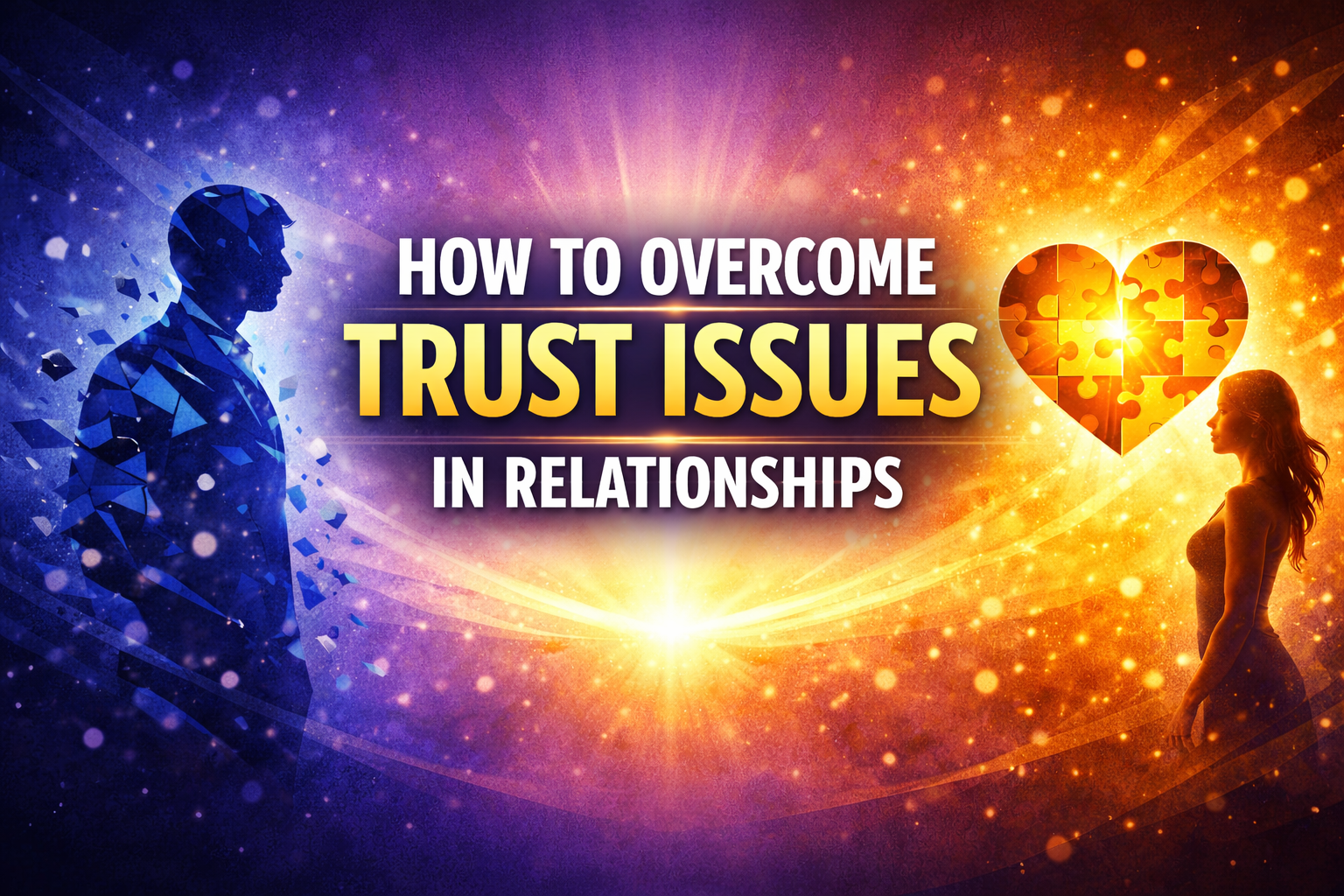

Your partner says they’re stuck in traffic and will be late. Logically, it sounds reasonable. Yet your mind starts racing. What if they’re not telling the truth? What if something has changed? What if they’re losing interest?
Within minutes, a simple situation turns into a spiral of doubt, anxiety, and overthinking.
If this feels familiar, you may be dealing with trust issues in relationships.
Many people assume trust issues are caused by their current partner’s behavior. However, in counseling sessions, we often discover that the fear started long before the current relationship. Past heartbreaks, childhood experiences, emotional wounds, or previous betrayals can quietly influence how safe we feel with the people we love.
The encouraging news is that trust can be rebuilt. Understanding the root cause is the first step toward creating healthier and more fulfilling relationships.
What Are Trust Issues in Relationships?
Trust issues in relationships occur when a person struggles to feel emotionally secure with their partner. They may constantly fear betrayal, rejection, dishonesty, or abandonment, even when there is little evidence that these threats exist.
Trust is not simply about believing that someone will be faithful. It also involves feeling emotionally safe, confident, and secure enough to be vulnerable with another person.
When trust is missing, relationships often become filled with doubt, anxiety, misunderstandings, and emotional distance.
Why Trust Matters More Than Most People Realize
Trust acts like the emotional glue that holds a relationship together.
When trust is strong:
- Communication becomes easier.
- Conflicts are resolved more effectively.
- Emotional intimacy grows naturally.
- Both partners feel secure and valued.
When trust is weak:
- Small issues become major arguments.
- Overthinking increases.
- Emotional closeness decreases.
- Anxiety begins to dominate the relationship.
Without trust, even a loving relationship can feel unstable.
Common Signs of Trust Issues in a Relationship
Many people are unaware that their behaviors stem from trust-related fears.
Signs of trust issues in a relationship include:
1. Constant Overthinking
You spend hours analyzing texts, conversations, or changes in your partner’s behavior.
2. Difficulty Believing Reassurance
Even when your partner reassures you, the doubts quickly return.
3. Fear of Vulnerability
Opening up emotionally feels risky because you fear getting hurt.
4. Expecting the Worst
You automatically assume negative outcomes before considering other possibilities.
5. Excessive Need for Reassurance
You frequently seek confirmation that your partner still loves or values you.
6. Holding Onto Past Hurt
Old betrayals continue to affect how you view your current relationship.
7. Emotional Withdrawal
Sometimes trust issues cause people to distance themselves emotionally as a form of self-protection.
5-Minute Trust Issues Self-Reflection Check
Take a few minutes to reflect on the following questions.
Ask Yourself:
✓ Do I often imagine worst-case scenarios about my relationship?
✓ Do I become anxious when my partner’s communication patterns change?
✓ Do I struggle to believe compliments, affection, or reassurance?
✓ Do I frequently worry about being abandoned or replaced?
✓ Have previous relationships affected my ability to trust today?
✓ Do I replay conversations repeatedly in my mind?
✓ Do I avoid emotional vulnerability because I fear getting hurt?
✓ Do I find it difficult to fully relax in relationships?
Understanding Your Results
0–2 checkmarks
You likely experience normal relationship insecurities that most people face occasionally.
3–5 checkmarks
Trust-related concerns may be influencing your relationship and emotional well-being.
6–8 checkmarks
Trust difficulties may be significantly affecting your ability to feel secure and connected in relationships. Professional guidance could help uncover the underlying causes.
What Causes Trust Issues in Relationships?
Understanding the causes of trust issues can help you address them more effectively.
Past Betrayal
Experiencing infidelity, dishonesty, broken promises, or emotional manipulation can make trusting others feel unsafe.
Even after the relationship ends, the emotional impact often remains.
Childhood Experiences
The way trust develops often begins in childhood.
Growing up with inconsistent caregivers, emotional neglect, criticism, or instability can shape how secure we feel in adult relationships.
Previous Toxic Relationships
Relationships involving control, gaslighting, emotional abuse, or manipulation often leave lasting emotional scars.
Many people enter new relationships carrying fears created by old experiences.
Low Self-Esteem
When people struggle with self-worth, they may believe they are not worthy of love or commitment.
This can create relationship anxiety and trust problems.
Fear of Abandonment
Some individuals constantly fear being left behind, rejected, or replaced.
This fear can trigger clinginess, jealousy, or emotional withdrawal.
Can Trust Issues Ruin a Relationship?
Yes—but not because trust issues automatically destroy relationships.
The real danger lies in leaving them unaddressed.
Trust issues can create:
- Constant arguments
- Miscommunication
- Emotional distance
- Jealousy
- Anxiety
- Reduced intimacy
- Relationship dissatisfaction
Over time, both partners may feel exhausted.
One partner feels constantly suspicious, while the other feels constantly questioned.
Without awareness and effort, these patterns can slowly weaken the relationship.
How to Overcome Trust Issues in a Relationship
Learning how to overcome trust issues in a relationship requires patience and commitment.
Identify the Root Cause
Ask yourself:
“Is my fear coming from my current relationship or from a previous experience?“
Understanding the source helps you respond more consciously.
Communicate Honestly
Share your feelings without blaming your partner.
Instead of accusations, focus on expressing emotions and needs.
Challenge Negative Thinking
When doubts arise, pause and examine the evidence.
Ask yourself whether your fears are based on facts or assumptions.
Stop Looking for Constant Reassurance
While reassurance can be helpful, depending on it too heavily often strengthens anxiety rather than reducing it.
Build Trust Gradually
Trust grows through consistent actions over time.
Small moments of honesty, reliability, and emotional support matter more than grand gestures.
Focus on Self-Growth
Developing confidence, self-awareness, and emotional resilience can make trusting others easier.
Seek Professional Support
Sometimes trust issues stem from deeper emotional wounds that require professional guidance to heal.
When Trust Issues Are Actually a Sign of Something Deeper
Many people think they have trust issues when they are actually struggling with something deeper.
These underlying concerns may include:
- Relationship trauma
- Childhood emotional wounds
- Attachment difficulties
- Anxiety disorders
- Fear of abandonment
- Low self-esteem
- Unresolved grief
When the same relationship patterns continue despite your best efforts, it may be time to explore what lies beneath the surface.
How Therapy Can Help Rebuild Trust
Therapy provides a safe and supportive space to understand the emotional experiences that contribute to trust difficulties.
Through counseling, individuals can learn how to:
- Identify emotional triggers
- Heal from past betrayals
- Improve communication
- Manage relationship anxiety
- Build healthier boundaries
- Strengthen emotional security
- Rebuild trust after relationship challenges
At Healing Thoughts and Souls, the focus is not simply on managing symptoms but on helping individuals understand the deeper emotional patterns affecting their relationships.
With over 9 years of experience supporting emotional well-being, the goal is to help clients create healthier connections with themselves and others.
Frequently Asked Questions
What causes trust issues in relationships?
Trust issues often develop because of betrayal, childhood experiences, toxic relationships, fear of abandonment, or low self-esteem.
Can trust issues be fixed?
Yes. Most trust issues can improve through self-awareness, healthier communication, and professional support when necessary.
How long does it take to rebuild trust?
The timeline varies depending on the situation. Rebuilding trust requires consistency, honesty, patience, and mutual effort.
Can therapy help with trust issues in relationships?
Yes. Therapy helps individuals understand emotional triggers, heal past wounds, and develop healthier relationship patterns.
How do I stop overthinking and trust my partner?
Focus on open communication, challenge assumptions, develop emotional awareness, and address any underlying fears contributing to overthinking.
Final Thoughts
Trust issues in relationships can make love feel complicated, even when the relationship itself is healthy.
The important thing to remember is that trust issues are not character flaws. They are often protective responses developed after emotional pain, disappointment, or difficult life experiences.
With self-awareness, patience, and the right support, it is possible to break free from fear-based patterns and build stronger, healthier relationships.
If recurring trust concerns, relationship anxiety, or emotional wounds are affecting your well-being, seeking professional guidance can be a powerful step toward healing.
At Healing Thoughts and Souls, with over 9 years of experience helping individuals navigate emotional challenges, compassionate support is available to help you rebuild trust, strengthen relationships, and move forward with confidence. Schedule a confidential consultation today and take the first step toward healthier, more secure connections.