






Relationships are not always easy. Disagreements and arguments happen in every relationship. However, when anger becomes a regular part of your interactions, it can slowly damage trust, communication, and emotional connection.
Many people do not realize that their anger is affecting their relationship until their partner starts pulling away or conflicts become more frequent. If you are wondering whether your reactions are causing problems, this article will help you identify the signs of anger issues in relationships and learn how to make positive changes.
What Are Anger Issues in Relationships?
Anger issues in relationships occur when frustration, irritation, or anger becomes difficult to control and starts affecting how partners communicate and connect with each other. Over time, repeated angry reactions can lead to trust problems, emotional distance, and ongoing relationship stress.
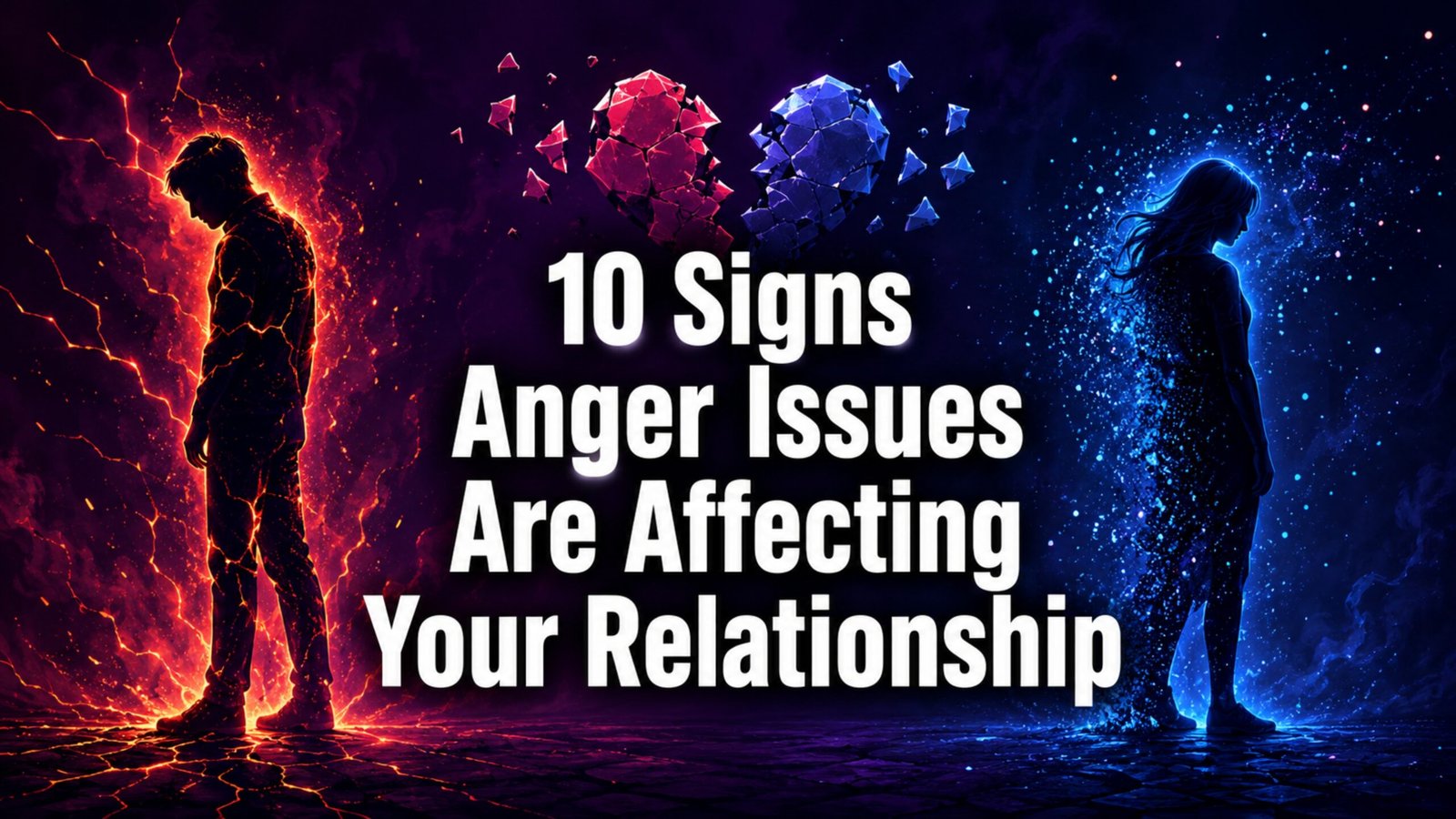
10 Signs Your Anger Issues Are Affecting Your Relationship
1. Small Disagreements Turn Into Big Arguments
Every couple disagrees sometimes. But if minor issues quickly turn into heated arguments, anger may be playing a larger role than you realize.
What starts as a simple conversation can end with raised voices, hurt feelings, and unresolved conflict.
2. Your Partner Hesitates to Share Their Feelings
Does your partner seem quiet when something is bothering them?
They may be avoiding difficult conversations because they fear your reaction. When this happens, communication starts to break down and emotional distance can grow.
3. Trust Is Starting to Fade
One of the biggest effects of anger is the development of relationship trust issues.
When a partner frequently reacts with anger, the other person may stop feeling emotionally safe. Over time, this can create trust problems in relationships and make honest communication more difficult.
4. You Often Say Things You Later Regret
Anger can make people say hurtful things they do not truly mean.
If you regularly find yourself apologizing after arguments or feeling guilty about your words, it may be a sign that anger is controlling your reactions.
5. The Same Arguments Keep Happening
Healthy relationships solve problems together.
If you keep having the same argument again and again without finding a solution, unresolved anger may be preventing healthy conflict resolution.
6. Your Partner Walks on Eggshells Around You
Do you notice your partner carefully choosing their words to avoid upsetting you?
This is often a warning sign that anger is affecting the relationship. No one should feel anxious about expressing their thoughts or feelings.
7. Resentment Is Growing
When anger is not managed properly, it can lead to resentment in relationships.
Both partners may begin holding onto past mistakes, disappointments, or unresolved conflicts. Over time, this resentment can create emotional walls between you.
8. Emotional Intimacy Is Decreasing
Strong relationships depend on emotional connection.
If conversations feel shallow, affection is decreasing, or you feel disconnected from your partner, anger may be contributing to the problem.
9. Your Partner Seems Anxious Around You
Ongoing anger can contribute to relationship anxiety and trust concerns.
Your partner may become nervous about bringing up problems because they worry about how you will react. This can create tension even during normal conversations.
10. You Struggle to Take Responsibility
Everyone makes mistakes.
If anger makes it difficult to listen to feedback, admit when you are wrong, or understand your partner’s perspective, it can prevent personal growth and damage the relationship.
Why Anger Ruins Relationships
Many people believe anger is the problem, but the real issue is often how anger is expressed.
When anger leads to criticism, blame, shouting, or emotional withdrawal, it can slowly damage trust and connection. This is one reason how anger affects romantic relationships is such an important topic.
Over time, unresolved anger can make partners feel unheard, unappreciated, and emotionally exhausted. In some cases, people begin to wonder whether anger issues can destroy a relationship.
How to Stop Anger From Hurting Your Relationship
The good news is that change is possible.
Practice Emotional Regulation
Pay attention to your emotional triggers. Learning to recognize early signs of frustration can help you respond more calmly.
Pause Before Reacting
When emotions run high, take a short break before continuing the conversation. This simple step can prevent arguments from escalating.
Improve Communication
Focus on expressing your feelings without blame. Healthy communication allows both partners to feel respected and heard.
Listen to Understand
Instead of preparing your response, try listening carefully to your partner’s perspective. This builds empathy and strengthens emotional connection.
Consider Professional Support
If anger continues to affect your relationship despite your efforts, relationship counseling or therapy can help identify underlying causes and teach healthier coping strategies.
2-Minute Self-Assessment Checklist
Ask yourself:
✔ Do small disagreements often become major arguments?
✔ Do I frequently regret things I say when angry?
✔ Does my partner seem afraid to express their feelings?
✔ Are trust issues developing in our relationship?
✔ Do we keep having the same unresolved conflicts?
✔ Has emotional closeness decreased recently?
If you answered “Yes” to three or more questions, your anger may be affecting your relationship more than you realize.
Frequently Asked Questions
Can anger issues destroy a relationship?
Yes. When anger repeatedly damages trust, communication, and emotional safety, it can create serious challenges within a relationship. However, positive change is possible with awareness and support.
How can I stop anger from hurting my relationship?
Learning emotional regulation skills, improving communication, and identifying personal triggers are effective ways to manage anger more healthily.
When should I seek therapy for anger issues?
If anger is causing ongoing conflict, affecting trust, or creating emotional distance, speaking with a psychologist can be beneficial.
Final Thoughts
Experiencing anger does not make you a bad partner. What matters is how you respond to those emotions. Recognizing the signs of anger issues in relationships is the first step toward creating healthier communication, stronger trust, and a more fulfilling connection.
If anger has become a recurring challenge in your relationship, professional support can help you understand the underlying causes and develop healthier ways to manage emotions. With the right guidance, rebuilding trust in a relationship and strengthening emotional connection is absolutely possible.