







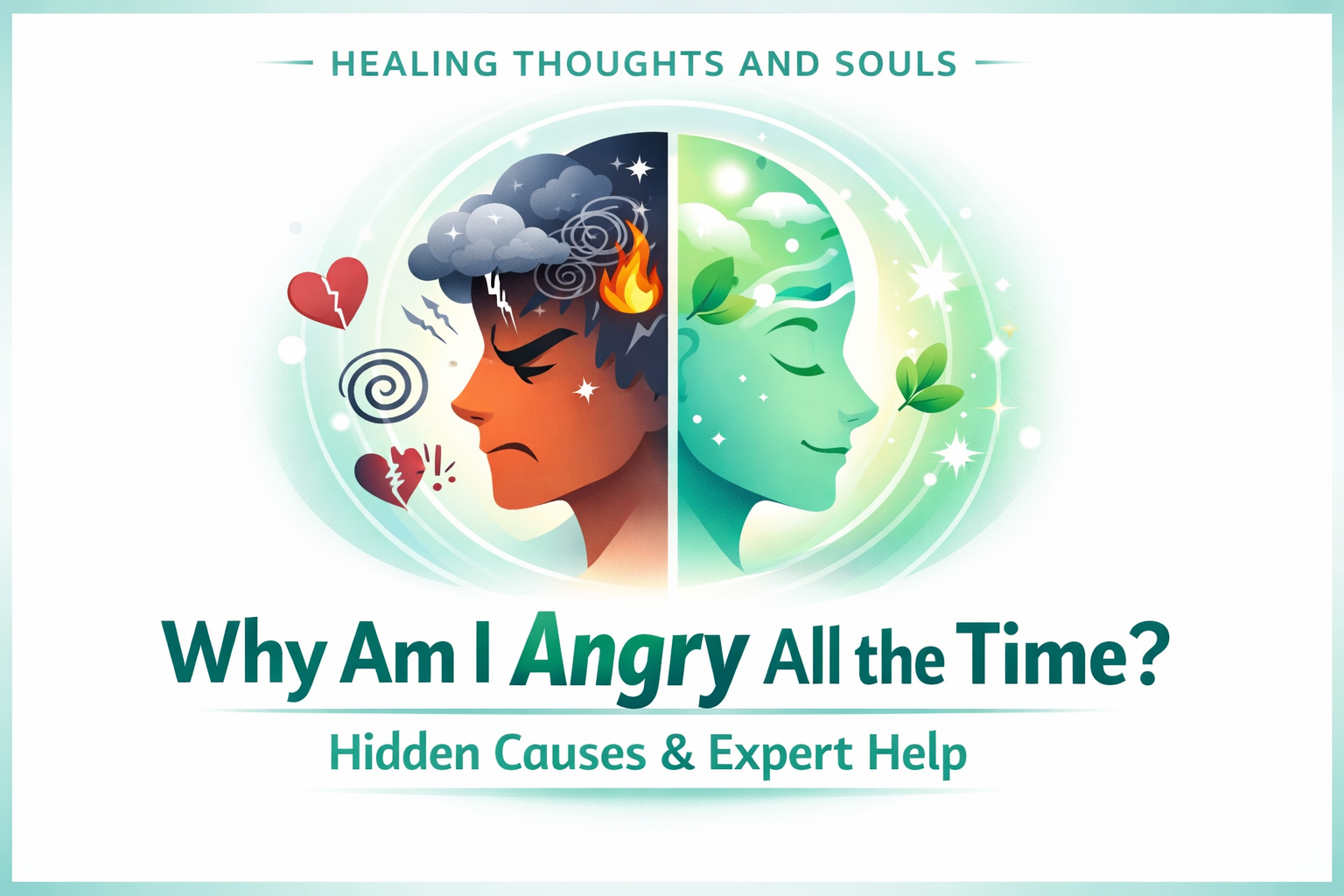

Why am I angry all the time? This is a question many people ask themselves when irritation, frustration, and emotional outbursts start becoming part of daily life.
You may find yourself reacting strongly to small things, feeling annoyed without a clear reason, or snapping at people you care about. Over time, this constant anger can become mentally exhausting.
The truth is, feeling angry all the time does not always mean you have a bad temper. In many cases, it is a sign of chronic stress, emotional overload, unresolved hurt, anxiety, burnout, or poor coping patterns.
The good news is that these reactions can be understood and managed. With the right emotional support, it is possible to feel calmer, more in control, and less weighed down by frustration.
What Does It Mean When You Feel Angry All the Time?
Everyone feels angry once in a while. That is a normal emotional response.
But feeling angry all the time is different. It means irritation becomes frequent, patience becomes shorter, and your emotional reactions start feeling harder to control.
You may notice that:
- small inconveniences upset you quickly,
- family conversations turn into arguments,
- you feel irritated from the start of the day,
- guilt follows emotional outbursts,
- your mind feels tense even during ordinary situations.
This often happens when your emotional system is under more pressure than it can comfortably process.
In simple terms, anger may be the symptom. The real issue is often hidden stress underneath.
What Hidden Causes Can Make You Angry for No Reason?
Many people say they are always angry for no reason. Usually, the anger is not random. It builds from multiple emotional and mental pressures.
Chronic Stress
When your mind is constantly juggling responsibilities, deadlines, finances, family demands, or social pressure, emotional tolerance drops.
You may start reacting sharply even when the situation itself is not severe.
Unresolved Emotional Hurt
Old resentment, criticism, rejection, betrayal, or family conflict can stay active in the background.
Even when life appears normal on the outside, these unresolved emotions can make you feel defensive and irritated.
Anxiety and Mental Restlessness
People with anxiety often feel impatient, on edge, and mentally overloaded.
This can create a low frustration threshold and make anger appear more often.
Lack of Sleep and Burnout
Poor sleep affects emotional regulation.
A tired brain finds it harder to stay patient, communicate calmly, and handle small disappointments.
Depression That Shows as Irritability
Depression is not always visible sadness.
Sometimes it shows up as emotional numbness, low motivation, constant frustration, or unexplained anger issues.
Relationship Pressure
Feeling unheard, criticised, unsupported, or emotionally disconnected can slowly turn into resentment.
This resentment often comes out as repeated irritation in daily conversations.
What Signs Show That Anger Is Becoming Unhealthy?
Occasional frustration is part of life. Constant emotional reactivity is a sign that something needs attention.
Your anger may be becoming unhealthy if:
- you feel irritated most days,
- you shout before thinking,
- small issues trigger big reactions,
- loved ones say you are always angry,
- guilt follows arguments,
- your relationships feel strained,
- you feel mentally exhausted by your own responses.
When anger begins affecting your home life, work life, and peace of mind, it usually means the pattern has become deeper than simple moodiness.
How Does Suppressed Stress Turn Into Constant Irritation?
Stress does not disappear just because you keep functioning.
It often stays stored in the mind and body.
When a person keeps handling pressure without emotional release, the nervous system becomes more sensitive. Patience becomes thinner, and reactions become sharper.
That is why a delayed message, traffic, noise, or a minor disagreement can suddenly feel overwhelming.
The anger is not always about that one event.
It is often the overflow of many unprocessed emotions.
This is one of the most common reasons behind why am I so angry and irritated even when nothing major has happened.
Can Constant Anger Be Linked to Mental Health?
Yes, very often.
Persistent anger can be linked with:
- anxiety,
- burnout,
- unresolved trauma,
- emotional exhaustion,
- depressive symptoms,
- chronic stress.
In many people, anger becomes the visible form of deeper emotional pain.
Underneath anger, there may be helplessness, sadness, fear, loneliness, or shame.
Because anger feels stronger than vulnerability, the mind often chooses anger as the easier reaction.
This is why simply trying to “stay calm” rarely solves the issue for long.
How Can Therapy Help With Unexplained Anger Issues?
If you are dealing with unexplained anger issues, therapy helps you understand both the trigger and the deeper emotional pattern behind it.
A trained counsellor helps you:
- identify repeated anger triggers,
- understand your thought patterns,
- notice early body signs of emotional escalation,
- process unresolved stress,
- improve communication habits,
- build self-regulation techniques.
Therapy does not focus on suppressing emotion.
It focuses on helping you respond with awareness instead of reacting impulsively.
This can make daily life feel less exhausting and relationships feel less tense.
What Does Anger Management Counselling Usually Focus On?
Professional anger management counselling is practical and structured.
It focuses on helping you understand:
- what situations trigger your anger,
- why certain behaviours upset you deeply,
- how past experiences may shape present reactions,
- how your body responds before an outburst,
- what coping tools reduce emotional intensity.
Sessions may include emotional awareness work, CBT-based strategies, breathing techniques, stress processing, and healthier communication methods.
The aim is not to remove emotion.
The aim is to help you regain control over how that emotion is expressed.
How Can Professional Counselling Help You Feel More in Control?
Many people living with chronic irritability begin to believe that anger is simply part of who they are.
In reality, emotional reactivity is often a stress response—not a fixed personality trait.
With the right counselling support, it becomes easier to:
- understand why anger appears quickly,
- reduce daily emotional overwhelm,
- communicate more calmly,
- improve patience,
- rebuild strained relationships,
- feel mentally lighter.
When the root cause is addressed, the constant feeling of being on edge often starts reducing.
How Does Sonali Mangal Help Individuals Dealing With Constant Anger?
If you are feeling angry all the time, the first need is not judgement. It is understanding.
With over 8 years of counselling experience, Sonali Mangal supports individuals dealing with chronic irritability, emotional outbursts, stress-related anger, relationship resentment, anxiety-linked frustration, and unresolved emotional hurt.
Her counselling sessions focus on identifying emotional triggers, understanding hidden stress patterns, and helping clients build healthier coping responses in everyday life.
Sessions are supportive, confidential, and designed to offer practical emotional tools.
If you are unsure whether counselling is the right next step, you can also begin with a 15-minute free consultation to discuss your concerns and understand what kind of support may help.
When Should You Seek Help for Feeling Angry All the Time?
You should consider speaking with a professional if:
- anger feels frequent instead of occasional,
- relationships are becoming difficult,
- family members avoid tense conversations,
- guilt follows most arguments,
- emotional exhaustion feels constant,
- self-help methods are not enough.
Seeking help does not mean something is wrong with you.
It means your emotional system may have been carrying too much for too long.
Early support can make these patterns easier to understand and easier to change.
Frequently Asked Questions
1. What causes unexplained anger issues in adults?
Unexplained anger issues are often linked with chronic stress, anxiety, unresolved emotional hurt, depression, burnout, hormonal changes, or mental exhaustion. The visible trigger may seem small, but the emotional buildup behind it is usually much larger.
2. How do I know if my anger is becoming unhealthy?
If anger affects your communication, relationships, work life, or daily peace regularly, it may be unhealthy. Frequent irritability, shouting, guilt, and emotional exhaustion are common warning signs.
3. Can therapy help me if I feel angry every day?
Yes. Therapy helps identify emotional triggers, understand hidden mental patterns, and build practical coping skills that improve emotional control over time.
4. Is anger connected with stress and anxiety?
Very often. A stressed nervous system reacts more quickly and intensely, which can make a person feel impatient, defensive, or constantly irritated.
5. How long does anger management counselling take?
This depends on the individual and the root cause. Some people notice improved emotional awareness within a few sessions, while deeper patterns may require longer structured counselling.
6. Do I need a counsellor if I am always angry for no reason?
If anger feels repetitive, difficult to control, and emotionally draining, speaking with a counsellor can help uncover the root cause and provide healthier coping methods.
Final Thoughts
If you keep asking yourself, “Why am I angry all the time?”, it is worth paying attention to that concern.
Persistent anger is often a signal of emotional overload, unresolved hurt, stress, or mental exhaustion.
It is not simply a bad mood.
With the right guidance, these reactions can become easier to understand and easier to manage.
If constant irritation, emotional outbursts, or unexplained anger are affecting your peace of mind, professional counselling can help you regain emotional balance.